
Aberdeen: Talks between Xi and Trump come at an inopportune time
Aberdeen: Talks between Xi and Trump come at an inopportune time
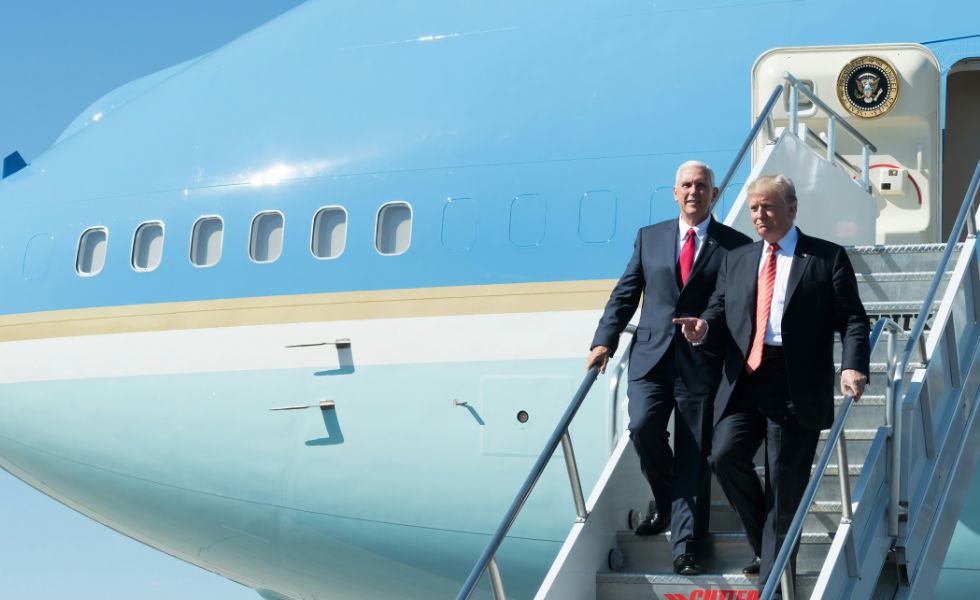
Paul Diggle, Chief Economist at Aberdeen Investments, analyses the conversation between Xi and Trump. 'The timing is very unfortunate, given that the US has expanded the scope of its export restrictions on chips. China could take targeted retaliatory measures, such as delaying licences for rare earth metals.'
'This week the US expanded the focus of US chip export controls from where compute is shipped, to who uses it, reflecting recent events at Nvidia. The political timing is awkward.
Presidents Xi and Donald Trump meet in Shenzhen today. Most likely, the controls will not be openly discussed at the summit. But China may subsequently do targeted retaliation, such as slowing rare-earth licences. Indeed, the view from Beijing that exports of critical minerals were partly contingent on no new export restrictions from the US side, suggests a risk that the broader trade détente could be put under threat.
The US is now treating cloud compute access, not chips per se, as a strategic asset to control. This could mean a more fragmented AI build-out and risks a retaliatory spiral, which brings US–China tech tensions to the fore, a waymark towards our ‘technological decoupling’ scenario. The new rules and the tightening of existing legislation have implications for the ‘AI race’, in which we previously flagged the risk that accessing data centres in third countries was a chokepoint.
A significant share of the AI compute Chinese firms use for model training comes from Nvidia chips, much of them obtained via third-country access. So, this could mean a wider US lead at the frontier, with China pushed towards domestic chips that lag in performance and scale. Nvidia's results last night suggest the controls will not puncture the AI trade by themselves. Revenue of $115.8bn beat consensus by over $6bn, and fourth-quarter guidance of $130bn assumes no China data centre compute revenue. But there is indirect exposure, via Southeast Asian neoclouds serving Chinese demand and Malaysia's data centre boom. The sustainability of the AI trade nonetheless remains a live market theme, particularly given political opposition to the data centre roll-out in the US.'
Deel dit bericht
Gerelateerde berichten
-
 Lees meer over "Natixis IM: Weinig structurele uitkomst van Trump–Xi-overleg verwacht"
Natixis IM: Weinig structurele uitkomst van Trump–Xi-overleg verwacht
-
 Lees meer over "LFDE: AI-strijd tussen VS en China is nog lang niet gestreden"
LFDE: AI-strijd tussen VS en China is nog lang niet gestreden
-
 Lees meer over "LFDE: The Empire Strikes Back? Hoe China de VS uitdaagt in de ruimte"
LFDE: The Empire Strikes Back? Hoe China de VS uitdaagt in de ruimte
-
 Lees meer over "AllianzGI: China blijft veerkrachtig en biedt kansen voor beleggers"
AllianzGI: China blijft veerkrachtig en biedt kansen voor beleggers
-
 Lees meer over "Robocap: US will have to share AI leadership with China"
Robocap: US will have to share AI leadership with China
-
 Lees meer over "Loomis Sayles: Amerikaanse autosector beleeft structurele omslag"
Loomis Sayles: Amerikaanse autosector beleeft structurele omslag
-
 Lees meer over "BNP Paribas: Amerikaanse import van Chinese zonnepanelen stijgt met 178%"
BNP Paribas: Amerikaanse import van Chinese zonnepanelen stijgt met 178%
-
Lees meer over "eToro: Meer vertrouwen in China dan de VS in de AI-race"
eToro: Meer vertrouwen in China dan de VS in de AI-race
-
 Lees meer over "Invesco: Agreement between Iran and the US reduces likelihood of rate hikes"
Invesco: Agreement between Iran and the US reduces likelihood of rate hikes
-
 Lees meer over "Ostrum: China gaat inflatie exporteren"
Ostrum: China gaat inflatie exporteren