
Payden & Rygel: A productivity puzzle
Payden & Rygel: A productivity puzzle
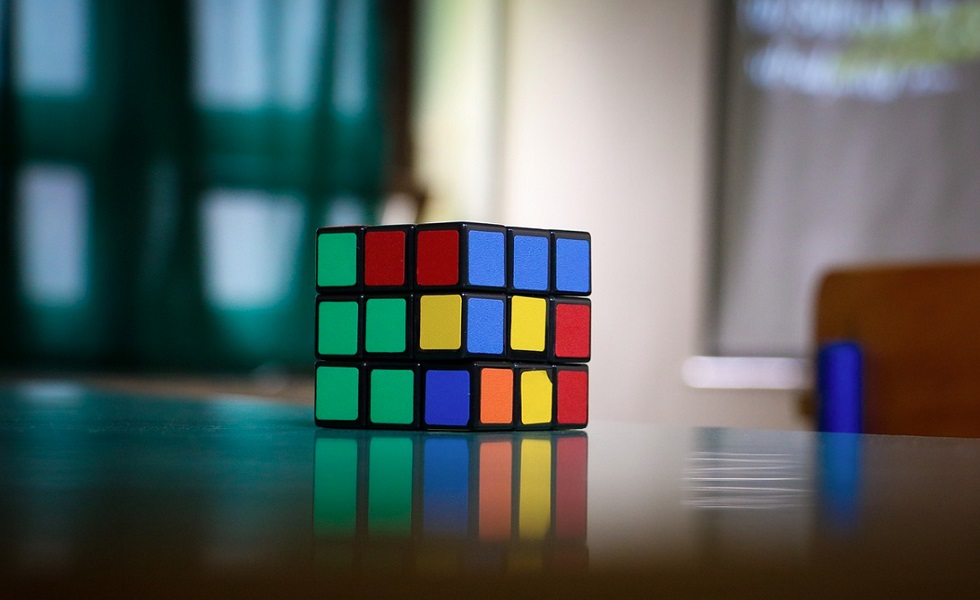
Fear that Al will radically boost productivity and eliminate jobs circulated through markets again last week. Interestingly, though, rapid productivity growth has not (yet) plagued the economy in the current cycle.
Historically, more rapid productivity growth has coincided with stronger job growth. For example, the 1950s and 1970s expansions saw both strong productivity gains and job growth. Meanwhile,in expansions with weaker investment and productivity, such as the 2010s, job growth was also relatively weak.
Could Al upend the relationship, with tireless, perpetually healthy, always-working AI agents replacing workers? It's possible, but not our baseline. Perhaps, in the short run, Al can reduce the need for hiring for repetitive tasks.
However, in the long run, history suggests that new technologies often create new industries and more jobs that need to be done. After all, 60%of today's jobs didn't exist before the1940s, yet a much larger share of the prime-age (25-54) population has a job today (80%) than in the 1940s (63%)!
Deel dit bericht
Gerelateerde berichten
-
 Lees meer over "Bas Jacobs: Ons belastingstelsel moet veel beter"
Bas Jacobs: Ons belastingstelsel moet veel beter
-
 Lees meer over "Schroders: Hoe groot is de druk van AI op de arbeidsmarkt?"
Schroders: Hoe groot is de druk van AI op de arbeidsmarkt?
-
 Lees meer over "RBC BlueBay AM: ‘Ghost GDP’ maskeert sluimerend AI-risico"
RBC BlueBay AM: ‘Ghost GDP’ maskeert sluimerend AI-risico
-
 Lees meer over "Han Dieperink: Baanloze groei"
Han Dieperink: Baanloze groei
-
Lees meer over "Crédit Mutuel AM: The beginning of a white collar recession driven by AI?"
Crédit Mutuel AM: The beginning of a white collar recession driven by AI?
-
Lees meer over "Principal AM: De impact van AI op personeelsbezetting"
Principal AM: De impact van AI op personeelsbezetting
-
 Lees meer over "Capital Group: Europa investeert minder in AI, maar deelt in de winst"
Capital Group: Europa investeert minder in AI, maar deelt in de winst
-
 Lees meer over "Nuveen: AI-besparingen ontketenen nieuwe investeringsrace in farma"
Nuveen: AI-besparingen ontketenen nieuwe investeringsrace in farma
-
 Lees meer over "Nickel: AI is central to increasing digital asset allocations"
Nickel: AI is central to increasing digital asset allocations
-
Lees meer over "etoro: Nederlandse beleggers verleggen focus naar infrastructuur achter AI"
etoro: Nederlandse beleggers verleggen focus naar infrastructuur achter AI