Morningstar DBRS: Greenland is a Strategic Zone Undergoing Rapid Environmental Change
Summary
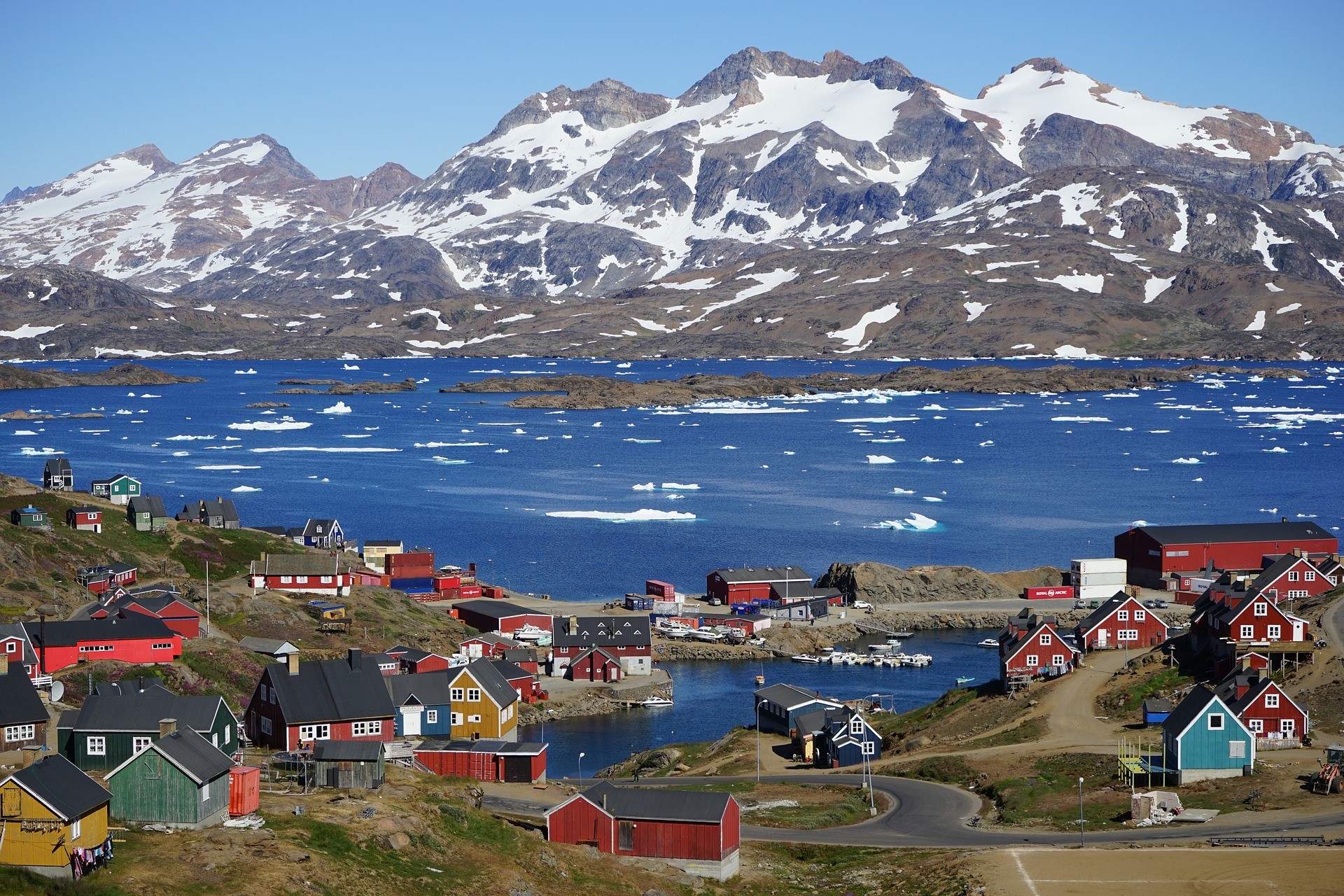
The Arctic is undergoing rapid and accelerating environmental change. As temperatures moderate, structural climate shifts at high latitudes are likely to alter the long term economic geography of the Arctic. In this commentary, we look at the evolving physical risk environment of Greenland.
Key highlights include the following:
- Greenland loses ice at high rates. The arctic navigation potential will likely increase substantially in the coming decades, particularly through the central Arctic Ocean
- Asset stranding and other risks exist because Greenland will also be affected by permafrost thawing, coastal erosion, more extreme weather, and a rising landmass
- A low probability, high impact and less intuitive scenario is the potential weakening of the AMOC, which could result in cooling climate in the Northern hemisphere
“The decline in seasonal sea ice in the Arctic and North Atlantic is lengthening the window when vessels can safely transit high-latitude waters”, said Vitaline Yeterian, Senior Vice President and Sector Lead of European Financial Institution Ratings at Morningstar DBRS. “Greenland's changing climate offers a long term upside, but economic returns will hinge on climate resilient design and continuous geospatial monitoring to manage land uplift, permafrost instability, and rising weather related operating risks”.