The Wtp transition: Lessons learned from André van Werven (BPFL)
The Wtp transition: Lessons learned from André van Werven (BPFL)
This special was originally written in Dutch. This is an English translation.
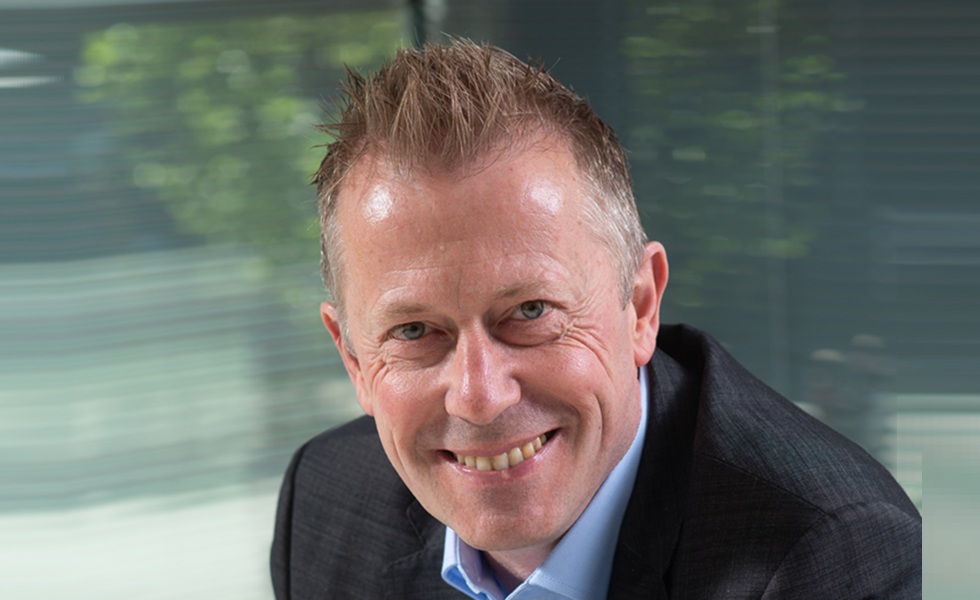
André van Werven, Investment Manager at the Food Industry Pension Fund (BPFL), made the switch to the new pension system on 1 January 2026. He shared his experiences with Financial Investigator.
By Esther Waal
How did the transition go?
‘Our transition had a long run-up. The first steps in the preparations were already taken in 2021. The starting point was that the transition had to take place in a robust and balanced manner. At an early stage, we brought in an external project manager to carry out the project management and the necessary actuarial calculations for the fund. Crucial in the run-up to the transition was the constructive cooperation with all stakeholders involved, both internally (the various fund committees) and externally (PUO, fiduciary, custodian, etc.).’
Why was January 2026 chosen for the transition?
‘At the time, Bpf Levensmiddelen wanted to switch to the new scheme as soon as possible. Initially, this was planned for January 2023, but because the legislative process had not yet been completed at that time, we postponed the transition. First to January 2024 and then again to January 2025. When it became clear at the end of 2024 that the transition would not be operationally feasible by 1 January 2025, we decided to make the transition on 1 January 2026.’
Were any adjustments to the portfolio necessary?
‘In the run-up to the transition, we carefully mapped out which adjustments needed to be made to the investment portfolio. The starting point was that the portfolio would align one-to-one with the risk appetite determined by the fund. It soon became clear that, based on the risk appetite, the exposure to corporate bonds would mean a significantly higher allocation to the return portfolio. At the same time, the existing interest rate sensitivity hedge had to be reduced significantly, particularly for longer maturities.’
The PUO, the fiduciary and the custodian each speak their own language, but under the Wtp they are more dependent on each other than ever before.
What are the most important points of attention now after the transition?
‘First of all, of course, the focus is on ensuring that all operational processes related to pension management run smoothly. It is very important that all these primary processes run smoothly in the coming months. This also includes the smooth running of the asset management chain based on the SIVI flows. In contrast to the past, there will be a dynamic relationship between the matching and return portfolios, and therefore more interaction between the various parties in the asset management chain.’
What is the most important lesson for parties that are yet to make the transition?
‘Start involving all the implementing organisations involved in the fund in good time. Agree on the new working method together and communicate any issues you encounter. The PUO, the fiduciary and the custodian each speak their own language, but under the Wtp they are more dependent on each other than ever before. Therefore, coordinate mutual expectations in good time and make agreements at an early stage about what the new asset management chain will look like. It is also important to think at an early stage about when the transition of the portfolio should take place. For example, we have chosen to reduce the interest rate sensitivity hedge before the transfer date. In order to continue to control the risk of an interest rate decline at the overall level, we have included euro swaptions in the portfolio, so that the total risk to be hedged against interest rate declines has not changed.’
Read the original special in Financial Investigator magazine
Share this post!
Related posts
-
 Read more about "Marsh: Nederland blijft wereldwijd koploper ondanks pensioenhervorming"
Marsh: Nederland blijft wereldwijd koploper ondanks pensioenhervorming
-
 Read more about "DNB: Kwartaalupdate voortgang transitie"
DNB: Kwartaalupdate voortgang transitie
-
 Read more about "Dick Kamp: Towards an agile, relevant pensions sector"
Dick Kamp: Towards an agile, relevant pensions sector
-
 Read more about "DNB: Eindfase pensioentransitie"
DNB: Eindfase pensioentransitie
-
 Read more about "Anton Kramer: Explaining is not the same as assessing"
Anton Kramer: Explaining is not the same as assessing
-
 Read more about "PFZW: 5,7% rendement tweede kwartaal"
PFZW: 5,7% rendement tweede kwartaal
-
 Read more about "Vanguard: Nieuw pensioenstelsel vraagt om andere blik op uitgaven"
Vanguard: Nieuw pensioenstelsel vraagt om andere blik op uitgaven
-
 Read more about "Pensioenfederatie steunt Europees belastingvoorstel, wil snellere invoering"
Pensioenfederatie steunt Europees belastingvoorstel, wil snellere invoering
-
 Read more about "Dick Kamp & Bjorn Blom: Data quality as a foundation of reputation"
Dick Kamp & Bjorn Blom: Data quality as a foundation of reputation
-
Read more about "PME: Sterke financiële positie richting overgang naar nieuwe pensioenstelsel"
PME: Sterke financiële positie richting overgang naar nieuwe pensioenstelsel