
DeVere Group: Bank of England boxed in as UK inflation climbs to 3.6%
DeVere Group: Bank of England boxed in as UK inflation climbs to 3.6%
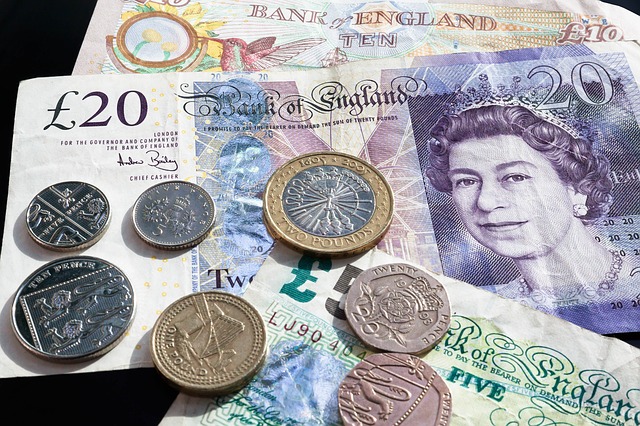
The Bank of England is cornered by a price surge it can’t control and an economy it can’t afford to squeeze, warns the CEO of deVere Group, one of the world’s largest independent financial advisory organisations.
The warning from Nigel Green comes as fresh Office for National Statistics data show Consumer Prices Index inflation edging up to 3.6% in October from 3.5% in September. It’s the fourth straight monthly climb since June’s low of 2.6%.
He says: 'Four months of rising prices is a trend, and it’s pointing the wrong way. Policymakers spent the summer hoping the energy shock would fade, but it hasn’t. It’s now working its way into every bill, every till receipt and every pay negotiation in the country.'
Pump prices and household energy drove most of October’s rise, according to the statistics body. Ofgem lifted its price cap by 4% at the start of the month, adding roughly £60 to the typical annual bill and taking it to £1,723 for direct debit households in England, Scotland and Wales.
Nigel Green continues: 'Raising rates won’t lower fuel prices, because those are being set by a war in the Gulf. All a hike does is add a bigger mortgage payment to an energy bill that’s already bigger.'
Less than a fortnight ago, the Monetary Policy Committee voted eight to one to lift Bank Rate to 4%, its first rise in more than three years. Catherine Mann wanted a half point move.
The Bank now sees inflation climbing towards 5% by the middle of next year and doesn’t expect it back at 2% before the third quarter of 2028. The next decision is on 17 December.
The deVere CEO comments: 'December is a test of nerve. The Bank of England has told us inflation won’t touch target for almost two years, and markets have priced in another hike on the back of it. The Committee should hold at 4% and give November’s rise time to bite.'
'Chasing a supply shock with back to back hikes is how central banks cause the recessions they’re meant to prevent. The Bank was late to the inflation party in 2021. Now it looks set on being the last to leave.'
Traders are increasingly betting on another rise next month, though plenty of economists remain unconvinced. Two- and five-year fixed mortgage rates have been creeping up since the conflict between the US and Iran erupted at the end of February.
Nigel Green says households are being hit from both sides. 'Energy, fuel and food all cost more, and so does the next remortgage. Anyone coming off a cheap fix next spring is looking at a monthly payment far above what they budgeted for. Real incomes had only just started recovering. They’re falling again.'
Businesses are caught in the same vice, he notes. 'Energy bills are up, credit is dearer and customers are spending less. Firms respond by freezing hiring, shelving investment and cutting margins to the bone. Smaller firms can’t hedge the way the big players can, so they’ll be hit first and hardest.'
For the wider economy, the deVere CEO sees a long, hard stretch ahead. 'Britain is heading for a long spell of sticky prices and feeble growth. The Bank can’t fix that on its own, and it shouldn’t pretend it can. The government needs a credible energy plan. The Bank needs to be honest about what interest rates can and can’t do.'
He adds that savers and investors have hard questions to ask. 'Is your cash keeping up with prices? How exposed are your holdings to UK consumer spending and energy costs? Are you properly spread across regions and asset classes? When one economy’s outlook darkens, those questions get urgent.'
Nigel Green concludes: 'On 17 December the Bank will show whether it can tell an inflation problem it created from one it inherited. Another hike would sound tough for a day and hurt households and businesses for months. Holding takes more spine. It means letting November’s rise do its work, riding out some ugly winter figures and admitting plainly that oil prices are set by events in the Gulf, which no rate decision in Britain can change. Credibility comes from making the right call under pressure. Right now the right call is patience, and Britain can’t afford a central bank that mistakes activity for progress.'
Deel dit bericht
Gerelateerde berichten
-
 Lees meer over "Aberdeen: UK inflation lower than expected"
Aberdeen: UK inflation lower than expected
-
 Lees meer over "PIMCO: Comments on the Bank of England meeting"
PIMCO: Comments on the Bank of England meeting
-
 Lees meer over "Amundi: Bank of England to hike rates this week"
Amundi: Bank of England to hike rates this week
-
 Lees meer over "DeVere Group: Five things the gilt market demands from Healey’s first Budget"
DeVere Group: Five things the gilt market demands from Healey’s first Budget
-
 Lees meer over "Aberdeen: Rise in services inflation particularly concerning"
Aberdeen: Rise in services inflation particularly concerning
-
Lees meer over "Nuveen: Bank of England kan Britse economie de nek omdraaien"
Nuveen: Bank of England kan Britse economie de nek omdraaien
-
 Lees meer over "DeVere Group: Burnham’s speech is a test Britain can’t afford to fail"
DeVere Group: Burnham’s speech is a test Britain can’t afford to fail
-
 Lees meer over "Carmignac: ECB moet af van rigide inflatiedoel van 2%"
Carmignac: ECB moet af van rigide inflatiedoel van 2%
-
Lees meer over "PIMCO: Bank of England reaction"
PIMCO: Bank of England reaction
-
Lees meer over "Aberdeen: UK inflation set to rise further in the coming months"
Aberdeen: UK inflation set to rise further in the coming months